Introduction
In the ever-evolving landscape of kitchen appliances and fixtures, flexible sink taps for the kitchen have emerged as a revolutionary solution, transforming the way we interact with our kitchens. With their innovative design and enhanced functionality, these taps have gained popularity among homeowners seeking convenience and efficiency. This article delves into the distinctions between flexible sink taps for the kitchen and traditional taps, highlighting the advantages that the former brings in terms of functionality and convenience.
Understanding Flexible Sink Taps
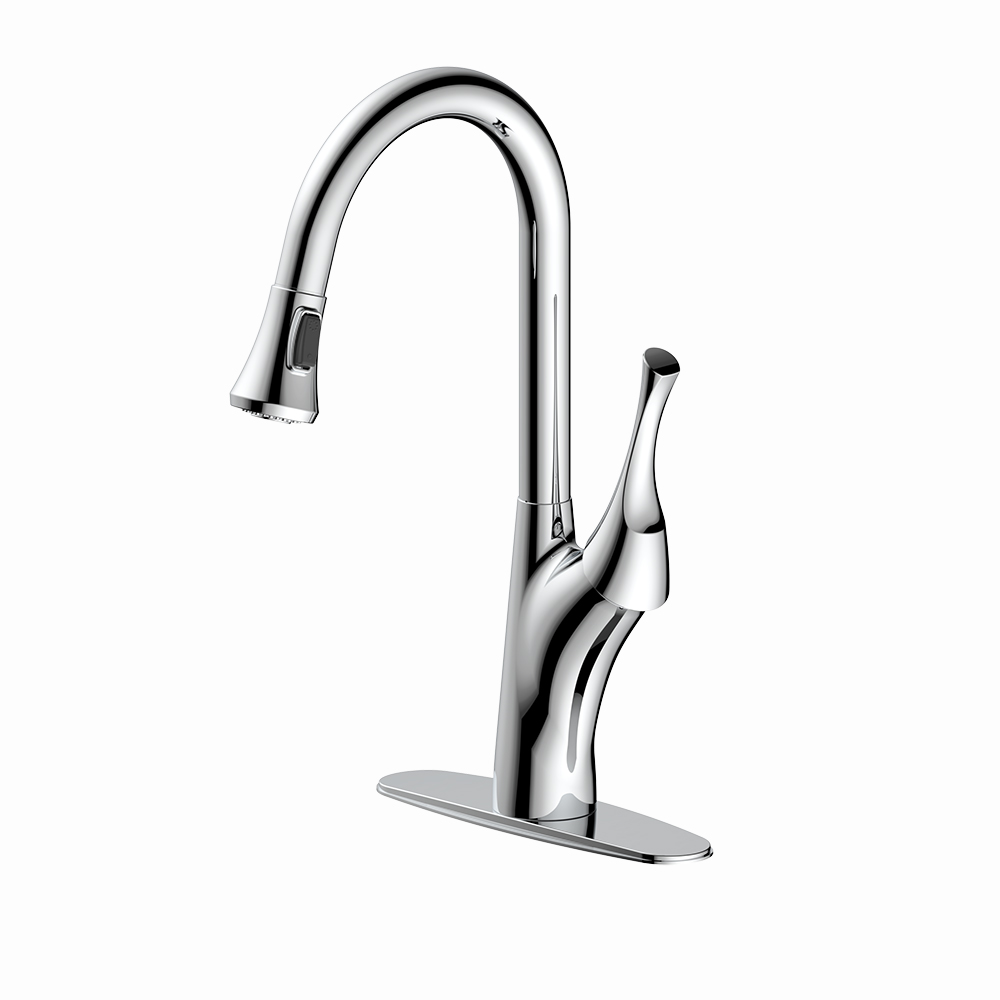
At the heart of the appeal of flexible sink taps for the kitchen lies their design and mechanics. Unlike traditional taps with fixed spouts, flexible sink taps for the kitchen are equipped with a swivel and extendable feature that grants them unparalleled maneuverability. This design allows users to direct water flow precisely where it’s needed, whether it’s to rinse dishes, clean the sink, or fill large pots.
The flexibility of these taps is facilitated by a jointed construction that enables the spout to move in various directions. This level of control transforms daily kitchen tasks into seamless activities, saving time and effort.
Traditional Taps: The Basics
Traditional taps, while functional, often have limitations in terms of movement and reach. Fixed spouts restrict the water flow to a specific area, making it challenging to navigate around the sink. Filling larger pots or containers becomes cumbersome due to the fixed angle of the spout. Additionally, cleaning the sink area thoroughly can be challenging, as water can’t be directed easily to different parts of the sink.
A Comparative Analysis
- Flexibility and Maneuverability
Comparing the range of motion between flexible and traditional taps is where the former truly shines. Flexible sink taps for the kitchen can be rotated, angled, and extended, providing an impressive degree of freedom. This enhanced range of motion enables users to move the tap according to their needs, making tasks like rinsing vegetables, washing dishes, and cleaning the sink more efficient.
For instance, imagine washing a large pot that doesn’t fit easily under a traditional tap. With a flexible sink tap, you can simply extend the spout to reach the pot without splashing water everywhere.
- Reach and Accessibility
The ability of flexible sink taps for the kitchen to reach multiple sink areas is a significant advantage. With traditional taps, it’s common to struggle to clean the corners of the sink or access areas that are farther from the tap. Flexible taps solve this issue by allowing you to direct the water precisely where you need it, ensuring a thorough cleaning process.
- Multifunctional Use
The ingenious design of flexible sink taps for the kitchen adds multifunctionality to the equation. Many flexible taps come with a dual-function feature, combining a regular water stream with a spray function. This dual-functionality transforms the tap into a versatile tool that can be used for various kitchen tasks. Switching between the regular stream and spray is seamless, providing adaptability for different needs.
Advantages in Functionality and Convenience
- Ease of Washing
The enhanced maneuverability of flexible sink taps for the kitchen significantly improves the experience of washing dishes. With a traditional tap, you might struggle to fit larger items under the stream of water or spend extra time moving the item around to ensure thorough cleaning. Flexible sink taps for the kitchen eliminate these challenges by allowing you to move the tap to the item, ensuring efficient and effective cleaning.
- Filling Large Containers
In the realm of cooking and food preparation, filling large pots and containers is a common requirement. Traditional taps often fall short in this aspect, as the fixed angle of the spout might not accommodate the size of the container. Flexible sink taps, however, can be easily extended to reach and fill larger pots, making the cooking process smoother and more convenient.
- Cleaning the Sink Area
Keeping the sink area clean is essential for maintaining hygiene in the kitchen. Traditional taps can make this task cumbersome, as they don’t offer the flexibility to direct water precisely where it’s needed. Flexible sink taps for the kitchen excel in this aspect, allowing you to direct water to every nook and cranny of the sink. Cleaning becomes efficient, and the overall hygiene of the kitchen is improved.
Materials and Durability
The construction of flexible sink taps for the kitchen involves durable materials that withstand the demands of a kitchen environment. Common materials include stainless steel, brass, and high-quality plastics. Stainless steel is prized for its corrosion resistance and durability, ensuring that the tap remains functional and aesthetically pleasing over time. The combination of sturdy materials and the innovative design of flexible sink taps for the kitchen contributes to their long lifespan.
Aesthetics and Design
Flexible sink taps for the kitchen don’t compromise on aesthetics either. They come in various styles, finishes, and designs, allowing homeowners to choose a tap that complements their kitchen decor. Whether you prefer a modern, minimalist design or a more traditional look, there’s a flexible sink tap to match your preferences.
The availability of different finishes, such as chrome, brushed nickel, and matte black, provides options that align with your kitchen’s overall aesthetic. The ability to blend functionality with design makes flexible sink taps for the kitchen a harmonious addition to any kitchen.
Installation and Compatibility
Concerns about installation and compatibility are valid considerations when upgrading to a flexible sink tap. Fortunately, many flexible sink taps for the kitchen are designed to fit standard sink configurations, making installation straightforward. If you’re unsure about compatibility, consult with the manufacturer or a professional installer to ensure a seamless transition.
Maintenance and Care
To ensure the longevity and optimal performance of a flexible sink tap, regular maintenance is essential. Cleaning the tap’s surface with a mild detergent and soft cloth prevents the buildup of dirt and grime. Avoid abrasive cleaners or scouring pads that could damage the tap’s finish. Additionally, periodically checking for leaks and ensuring that the joints remain well-lubricated contributes to the tap’s continued functionality.
Conclusion
The introduction of flexible sink taps for the kitchen has brought a new level of functionality and convenience to the kitchen. By allowing users to direct water precisely where it’s needed, these taps streamline tasks, enhance hygiene, and simplify cooking and cleaning processes. In comparison to traditional taps, the advantages of flexibility, reach, and multifunctionality are significant.
When considering a flexible sink tap for your kitchen, remember to evaluate factors such as material quality, design compatibility, and installation requirements. By choosing a tap that aligns with your preferences and needs, you’re not only upgrading your kitchen’s functionality but also investing in a fixture that combines innovative design with practicality.
Related Products