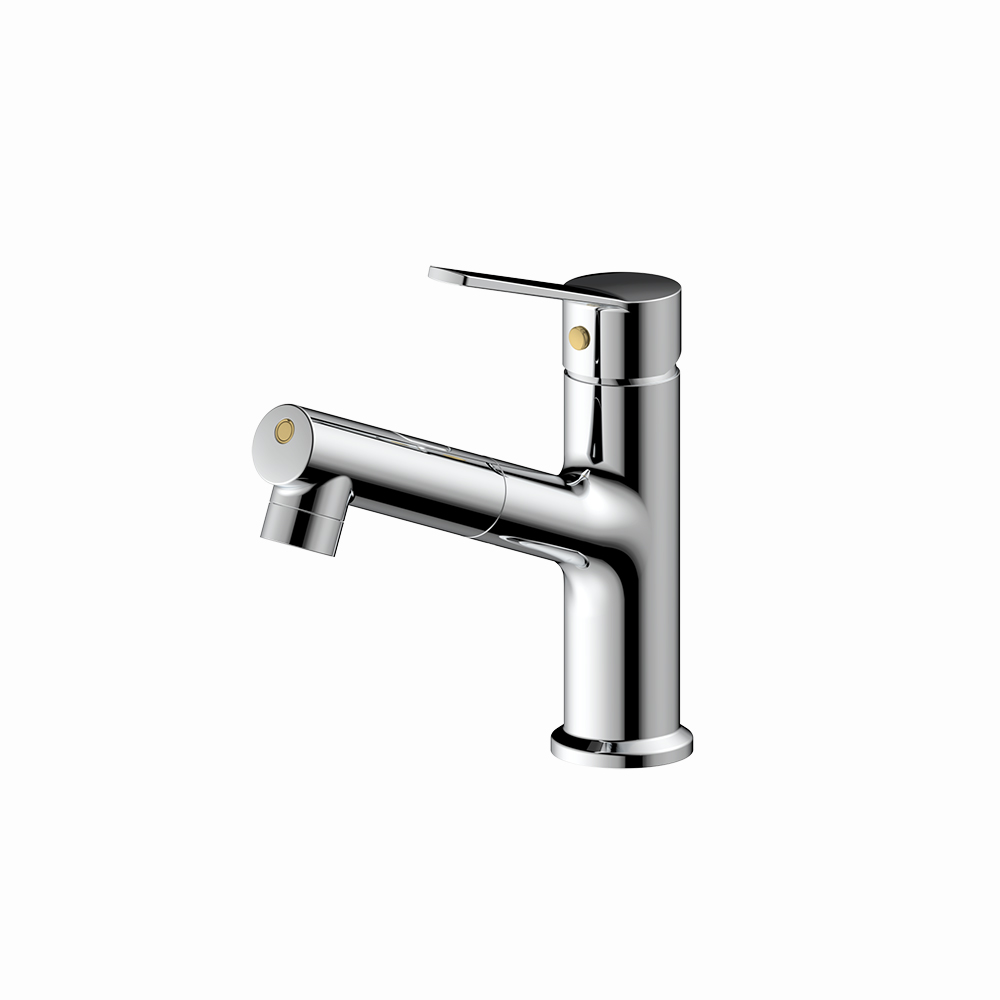
When it comes to connecting a sink faucet to the water supply, there are two main types of connectors: flexible and rigid. A Flexible Tap Connector for a Sink is a device that connects the faucet to the water supply and allows for some movement and flexibility. In contrast, a rigid connector is a more traditional option that connects the faucet to the water supply with a fixed, inflexible joint. In this article, we’ll take a closer look at the benefits of using a flexible tap connector for a sink and how it differs from a rigid connector.

Definition and Purpose of Flexible Tap Connector for a Sink
A flexible tap connector is a device that connects the sink faucet to the water supply, allowing for some movement and flexibility. It’s typically made up of a flexible stainless-steel hose with a threaded connector at each end. The purpose of a Flexible Tap Connector for a Sink is to make it easier to install and maintain the sink by providing some flexibility and movement where it’s needed.
Benefits of Using a Flexible Tap Connector
There are several benefits to using a flexible tap connector for a sink, including the following:
- Prevents leaks: One of the main benefits of using a flexible tap connector is that it helps to prevent leaks. Because the connector is flexible, it’s less likely to develop cracks or leaks over time, which can lead to water damage.
- Reduces stress on the faucet and plumbing: A Flexible Tap Connector for a Sink can help to reduce stress on the faucet and plumbing by allowing for some movement and flexibility. This can help to prevent damage and wear and tear over time, which can extend the life of your sink and faucet.
- Easier to install: Installing a flexible tap connector is typically easier than installing a rigid connector. Because the connector is flexible, it can be easily adjusted to fit where it’s needed, making the installation process faster and more efficient.
- Easier to maintain: Maintaining a Flexible Tap Connector for a Sink is typically easier than maintaining a rigid connector. Because the connector is flexible, it can be easily removed and replaced if needed, making it easier to clean and maintain.
Differences Between Flexible and Rigid Tap Connectors
The main difference between flexible and rigid tap connectors is the level of flexibility they offer. A rigid connector is typically made from a solid material, such as copper or PVC, and is inflexible. This means that the faucet is fixed in place and cannot be moved or adjusted once it’s installed. In contrast, a Flexible Tap Connector for a Sink is made from a flexible stainless-steel hose, which allows for some movement and flexibility.
Another difference between the two types of connectors is the materials used to make them. Rigid connectors are typically made from copper or PVC, while flexible tap connectors are made from a stainless-steel hose with threaded connectors at each end.
Installation of Flexible Tap Connector for a Sink
Installing a flexible tap connector is typically a fairly simple process that can be done in just a few minutes. First, you’ll need to turn off the water supply to the sink. Next, you’ll need to remove the old connector by unscrewing it from the faucet and the water supply. Then, you’ll need to attach the threaded connectors of the Flexible Tap Connector for a Sink to the faucet and the water supply. Finally, you’ll need to turn the water supply back on and test the connection for leaks.
Compatibility with Sink Faucets
Flexible tap connectors can typically be used with most types of sink faucets, including single-handle and double-handle faucets. However, it’s important to make sure that the connector you choose is compatible with your specific faucet model. Some faucet models may require a specific type of connector or adapter, so it’s important to check the manufacturer’s instructions before installing a Flexible Tap Connector for a Sink.
Conclusion
In conclusion, a Flexible Tap Connector for a Sink can be a great choice for anyone looking to install or maintain a sink faucet. By providing some flexibility and movement, it can help to prevent leaks, reduce stress on the faucet and plumbing, and make installation and maintenance easier. While there are some differences between flexible and rigid tap connectors, the benefits of using a Flexible Tap Connector for a Sink make it a great choice for many sink applications. If you’re considering installing a new sink faucet or replacing an old connector, consider using a Flexible Tap Connector for a Sink for the best results.
Related Products