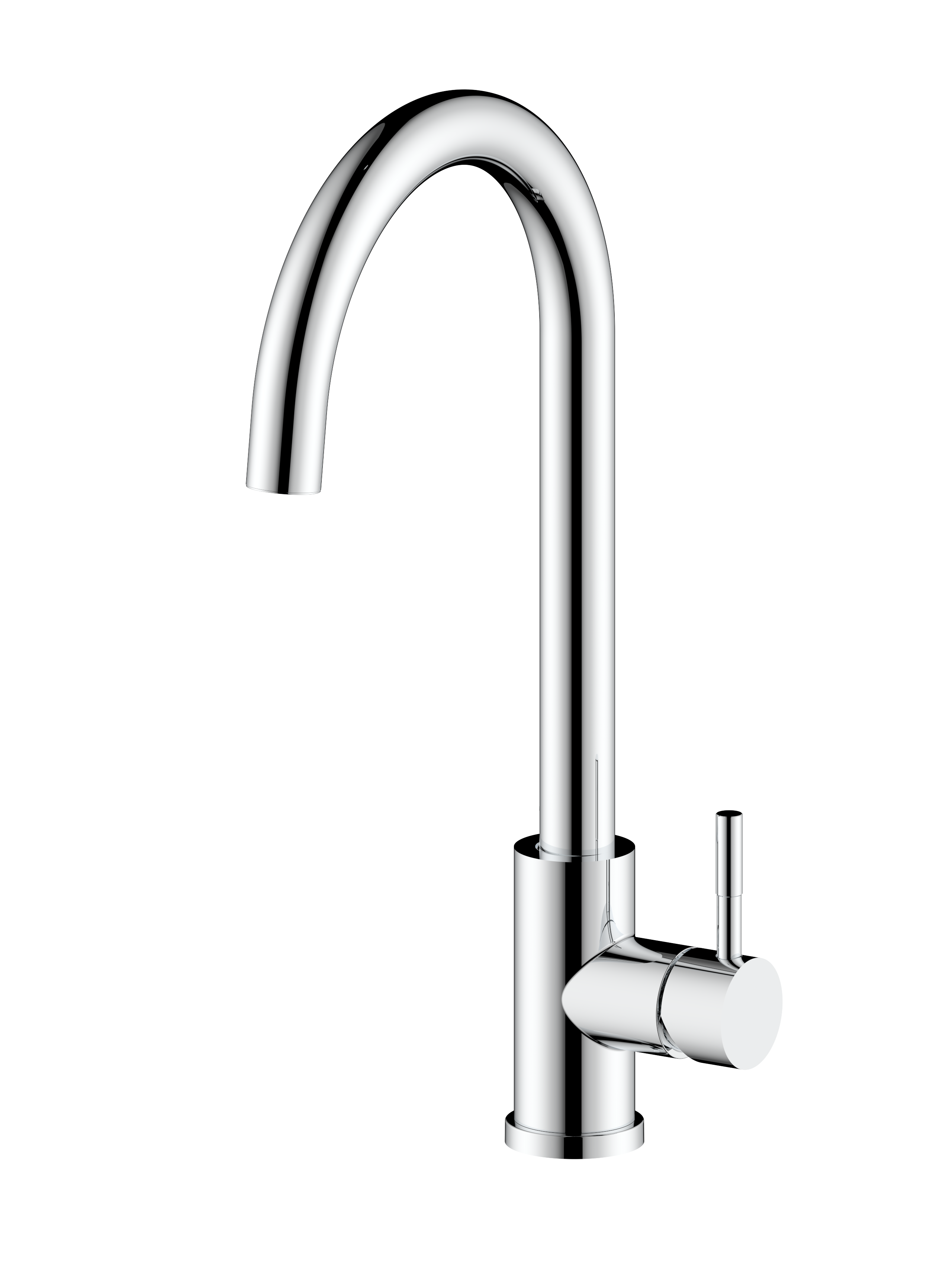
Water tap is the popular title of water valve, which is used to control the size switch of water flow and has the effect of saving water. The replacement speed of the faucet is very fast, from the old-fashioned cast iron process to the electroplating knob type, and then to the stainless steel single temperature single control faucet, the stainless steel dual temperature dual control faucet, and the kitchen semi-automatic faucet. Now, more and more consumers are choosing faucets, and they will comprehensively consider materials, functions, shapes and other aspects.
Classification of faucets
1. According to the material, it can be divided into SUS304 stainless steel, cast iron, plastic, brass, zinc alloy faucet, polymer composite faucet and other categories.
2. According to the function, it can be divided into basin, bathtub, shower, kitchen sink faucet and electric faucet (ceramic electric faucet). With the improvement of living standards, faucets that can heat quickly (ceramic electric faucet) are more and more popular It is expected to become the new protagonist leading the faucet revolution.
3. According to the structure, it can be divided into several types of faucets such as single-connected, double-connected and triple-connected. In addition, there are single handle and double handle. The single-connected type can be connected to cold water pipes or hot water pipes; the double-connected type can be connected to two hot and cold pipes at the same time, and is mostly used for faucets in bathroom basins and kitchen sinks with hot water supply; the triple-connected type can be connected to two hot and cold water pipes In addition to the pipe, it can also be connected to the shower head, which is mainly used for the faucet of the bathtub. The single-handle faucet can adjust the temperature of hot and cold water with one handle, while the double-handle faucet needs to adjust the cold water pipe and hot water pipe separately to adjust the water temperature.
4. According to the opening method, it can be divided into screw type, wrench type, lifting type and induction type. When the screw-type handle is opened, it needs to be rotated many times; the wrench-type handle generally only needs to be rotated 90 degrees; In addition, there is also a time-delayed faucet. After the switch is turned off, the water will continue to flow for a few seconds before stopping, so that the dirty things on the hands can be washed away again when the faucet is turned off.
5. According to the spool, it can be divided into rubber core (slow opening spool), ceramic spool (quick opening spool) and stainless steel spool. The most critical factor affecting the quality of the faucet is the spool. Most of the faucets using rubber cores are cast iron faucets with spiral opening, which have been basically eliminated; ceramic valve core faucets have appeared in recent years, and are of better quality and are more common; stainless steel valve cores are more suitable for areas with poor water quality.
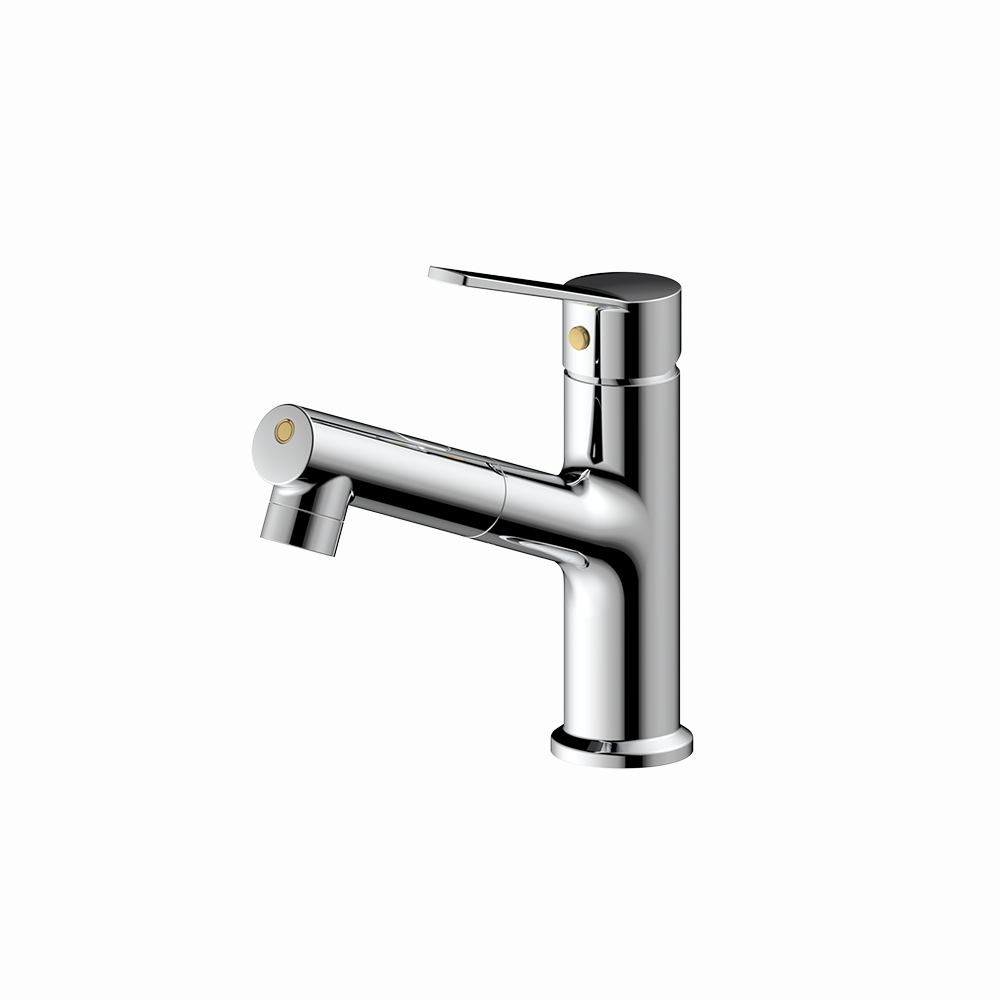
Faucet water purifier
The main water purification technologies used in faucet water purifiers are as follows:
(1) Activated carbon technology Activated carbon is used as the main water purification material of the faucet water purifier. The nano-active filter element has a relatively good adsorption capacity, and has a relatively good filtration effect on chlorine, heavy metals, and pesticides in the water before adsorption saturation.
(2) Hollow fiber technology The water purification technology based on hollow fiber membrane can filter out most pollutants in the water, and the filter element needs to be replaced regularly.
(3) Ceramic and nano-KDF technology Most domestic products adopt water purification technology based on microporous ceramic filter element and nano-KDF filter material, dechlorination ball and alkaline ball, and the water flow rate is greater than that of hollow fiber technology. For water purifiers, the ceramic filter element can be cleaned and used repeatedly. After a certain service life, the filter element needs to be replaced regularly.
Production Process
The production process of the faucet:
Copper ingot→dissolution→casting (sand casting for low-grade ones, gravity casting for high-quality faucets)→post-casting cleaning→casting product inspection→machining→tolerance inspection→leak testing→grinding→surface inspection→electroplating→electroplating inspection→assembly→ Test water and leak → finished product inspection → packaging → delivery.
Casting: Low-grade faucets are cast by sand casting, high-quality faucets are used for gravity casting, and the relatively new technology is die-casting. One-time press-grinding is similar to the zinc alloy die-casting process.
Quality control: The quality of the production process before the finished product is controlled by quality control, and the quality assurance department conducts random inspections from the finished product to the packaging, mainly to check the packaging and placement of the product.
Related Products

Related Products